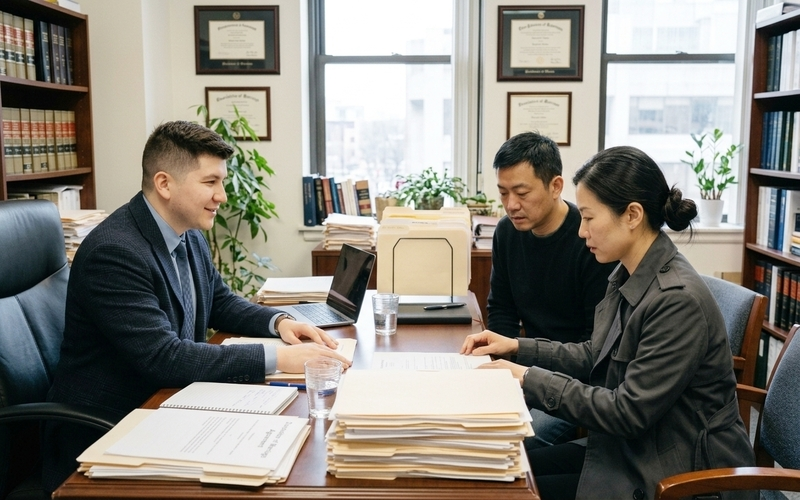
Collaborative divorce is giving many Chinese families in Massachusetts a quieter, more respectful way to end a marriage. This life event rarely feels simple, especially under the weight of family expectations and community perception. Both spouses work with trained attorneys committed to reaching a fair settlement, rather than fighting it out in open court. The couple, not a judge, makes the decisions. That matters even more when privacy, culture, and children are all part of the picture. This guide walks through five reasons Chinese couples across Massachusetts are choosing this path forward.
What Is Collaborative Divorce?
Both spouses hire attorneys trained specifically in this method, and everyone signs an agreement to stay out of court entirely. It often brings in a financial specialist or divorce coach when needed. If negotiations break down, neither attorney can carry the case into litigation, and both spouses would need new counsel for court. This isn’t a penalty; it’s a built-in safeguard against either side using court as leverage. That gives everyone a real incentive to resolve together.
How the Collaborative Divorce Process Works
Four-way meetings between both spouses and their attorneys move the case forward, one issue at a time. The process usually starts with a signed participation agreement, then works steadily through each decision.
- Full financial disclosure from both spouses
- Parenting schedules and child support terms
- Division of property, debts, and retirement accounts
- A final settlement ready for court approval
Most cases wrap up in months, far faster than a contested courtroom divorce. Attorney James Z. Collins walks clients through every meeting with patience.
5 Reasons Chinese Couples Choose Collaborative Divorce
1. It Keeps Sensitive Matters Private
Court hearings become part of the public record, open to anyone who wants to look. Collaborative meetings are not. Every conversation happens privately between the spouses, their attorneys, and any other professionals involved. For families weighing community perception, that distinction carries real, practical weight.
2. A Bilingual Attorney Understands More Than Language
Working with someone fluent in Mandarin or Cantonese changes the experience of a difficult process. Less gets lost in translation, and you don’t have to explain cultural context around family roles twice. Clients often say it feels different to work with a collaborative divorce attorney who already gets it.
3. It Costs Less Than a Courtroom Battle
Shared expert fees and fewer court filings keep the total cost lower than litigation. Spouses split the cost of financial specialists or coaches, instead of paying separately. That adds up fast in court.
4. It Moves Faster Than Litigation
Skip the trial dates, the discovery fights, and the endless court appearances, and most cases settle in months. Compared to collaborative law divorce, litigated divorces can easily stretch past a year. That shorter timeline also means less time in emotional limbo for everyone involved, including any children.
5. Both Spouses Keep the Final Say
Instead of a judge deciding property, parenting time, or child support, the couple negotiates terms that fit their own family. That control tends to produce agreements both spouses can genuinely live with long after the paperwork is signed.
Benefits of Collaborative Divorce Compared to Litigation
Beyond these five reasons, the broader benefits of collaborative divorce stand out clearly next to traditional litigation. The International Academy of Collaborative Professionals tracks outcomes for families who choose this model. Seeing both paths laid out clearly side by side often makes the decision easier for couples still weighing their options.
| Factor | Collaborative Divorce | Litigation |
| Timeline | A few months | Often a year or more |
| Privacy | Private meetings | Public court record |
| Cost | Generally lower | Often higher |
| Control | Couple decides together | Judge decides |
Collaborative Divorce vs Mediation
A single neutral mediator handles both sides in mediation, without advising either spouse directly. It all comes down mainly to representation, since each spouse keeps their own attorney throughout the collaborative process. That extra support helps most when finances are complicated, or one spouse feels less confident negotiating.
A Settlement Built Around Your Family, Not a Judge
A respectful ending does not require years of conflict or a public courtroom fight. JZ Collins Law has guided many Chinese families through collaborative divorce with care and genuine cultural understanding. When you are ready to talk through your options, reach out at (617) 651-2584 or through our contact page.
Frequently Asked Questions
Are there Mandarin- or Cantonese-speaking collaborative divorce attorneys near me who understand Chinese family values?
Yes. Attorney James Z. Collins is fluent in Chinese and Mandarin, and has worked closely with many bilingual families through divorce. The collaborative team often includes a financial specialist and a divorce coach too. It is worth asking about their language skills as well, since the whole team joins sensitive conversations.
Do I need my own translator for financial paperwork and the final divorce hearing?
For the hearing itself, Massachusetts courts provide free Mandarin and Cantonese interpreters, no matter your immigration status. That coverage does not extend to financial documents prepared outside court, so plan for a professional translator early on.
What does the final step of a collaborative divorce look like in Massachusetts Probate and Family Court?
Once the collaborative team reaches a full settlement, they file it with the court as a joint petition for divorce. Both spouses attend one uncontested hearing, where a judge reviews the agreement and financial statements before approving it. After approval, Massachusetts still requires a waiting period, typically about 120 days, before the divorce becomes final.



Leave a comment